



Introduction
Health and physical fitness are important parts of a successful and enjoyable life. A person who is physically healthy usually has more energy to work, study, travel, and take part in daily activities. Good health is not only about avoiding diseases; it also means taking care of the body, maintaining a positive state of mind, eating properly, getting enough rest, and staying physically active. In today’s busy world, people often spend many hours sitting, using mobile phones, watching television, or working on computers. These habits can reduce physical activity and may negatively affect health. Therefore, maintaining a healthy and active lifestyle has become more important than ever.
Table Of Content
- Introduction
- What Is Physical Fitness
- Importance of Regular Exercise
- Benefits of Exercise for the Body
- Physical Fitness and Mental Health
- Role of a Healthy Diet
- Developing Healthy Eating Habits
- Importance of Sleep and Rest
- Physical Fitness for Students
- Staying Active in a Busy Life
- Avoiding Unhealthy Habits
- Health Is Different for Everyone
- Conclusion
What Is Physical Fitness
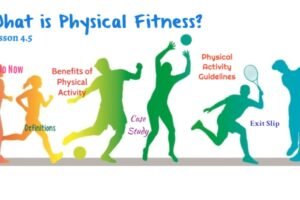
Physical fitness means that the body is strong and capable of performing everyday tasks without becoming tired too quickly. Fitness includes different abilities such as strength, flexibility, endurance, balance, and coordination. A physically fit person can usually perform daily activities more comfortably and has greater stamina for exercise and other physical work.
Fitness does not mean that a person must become an athlete or spend hours in a gym. Simple activities such as walking, cycling, swimming, playing games, stretching, and doing household work can also help improve physical fitness.
Importance of Regular Exercise
One of the most important ways to maintain fitness is regular exercise. Exercise keeps the body active and helps strengthen the muscles and heart. Walking is one of the easiest forms of exercise because it does not require expensive equipment. A person can walk in a park, around the neighborhood, or even choose to walk short distances instead of using a vehicle.
Other activities, including jogging, cycling, swimming, dancing, and sports, can also provide excellent physical benefits. The important thing is to choose an activity that is enjoyable and can be performed regularly.
Benefits of Exercise for the Body
Regular physical activity can have many positive effects on the body. Exercise helps improve cardiovascular fitness by making the heart and lungs work more efficiently. It also helps develop stronger muscles and supports healthy bones.
Staying active can make it easier for people to maintain a healthy body weight. Physical activity is also useful for maintaining mobility and independence as people grow older. When exercise becomes part of a person’s daily routine, it can contribute to greater energy and better physical performance.
Physical Fitness and Mental Health
Physical fitness is also closely connected with mental health. People sometimes focus only on the physical benefits of exercise and forget that the mind can benefit as well. Physical activity can help people relax after a stressful day and may improve their mood.
Going for a walk, playing a sport, or exercising with friends can provide a break from work and study. Exercise can also give people a sense of achievement because reaching small fitness goals can increase confidence. For students and working adults, regular physical activity may also provide a healthy way to manage everyday stress.
Role of a Healthy Diet
Food is another major part of a healthy lifestyle. The body needs proper nutrition to produce energy, repair tissues, and perform its normal functions. A balanced diet should contain a variety of foods, including fruits, vegetables, whole grains, beans, proteins, and healthy sources of fat.
Drinking enough water is equally important because the body depends on water for many essential processes. People should avoid making unhealthy foods a regular part of their diet. Foods that contain excessive amounts of sugar, salt, or unhealthy fats should be consumed in moderation.
Developing Healthy Eating Habits
Healthy eating does not mean that a person can never enjoy favorite foods. Instead, it means developing a sensible balance. A person can occasionally enjoy less nutritious foods while still making healthier choices most of the time.
For example, choosing fruit instead of a sugary snack, drinking water instead of a soft drink, or adding vegetables to meals can gradually improve eating habits. Small changes can become powerful when they are maintained over a long period.
Importance of Sleep and Rest
Sleep and rest are also essential for good health. Modern lifestyles often cause people to stay awake late at night because of work, study, entertainment, or social media. However, the body needs adequate sleep to recover from the activities of the day.
Lack of sleep can leave a person feeling tired and may make it difficult to concentrate. Good sleep habits, combined with regular physical activity and a balanced diet, can support overall well-being. People who exercise regularly should also allow their bodies enough time to recover.
Physical Fitness for Students
Young people and students can especially benefit from physical activity. Students spend considerable amounts of time studying and using computers or mobile devices. Remaining seated for long periods can make them less active.
Taking short movement breaks, participating in sports, walking, or exercising can help create a healthier daily routine. Schools can also encourage fitness by providing opportunities for games, sports, physical education, and outdoor activities.
Such activities can help students understand that health is an important part of their education and future life.
Staying Active in a Busy Life
Adults should also make time for physical activity despite busy schedules. Work responsibilities, family commitments, and other activities can make it difficult to exercise regularly. However, fitness does not always require a separate workout session.
People can add movement to their normal routines by walking during breaks, taking the stairs, doing household tasks, gardening, or cycling when possible. Planning exercise at a convenient time can also make it easier to develop a consistent habit.
Avoiding Unhealthy Habits
Another important part of health is avoiding harmful habits. Smoking, excessive alcohol consumption, drug use, and other unhealthy behaviors can seriously affect the body. People should also learn how to manage stress in healthy ways.
Talking to family members or friends, spending time outdoors, practicing relaxation techniques, enjoying hobbies, and maintaining social connections can all contribute to emotional well-being.
Health Is Different for Everyone
It is important to remember that health looks different for different people. Age, lifestyle, physical ability, environment, and personal circumstances can influence what type of activity is appropriate.
People who have health concerns or have been inactive for a long time should choose activities that are suitable for their individual situation and seek professional advice when necessary. Fitness should be about becoming healthier and stronger rather than comparing one’s body with other people.
Conclusion
Health and physical fitness are essential for a balanced and meaningful life. A healthy lifestyle involves much more than exercise. It includes nutritious food, regular movement, sufficient sleep, mental well-being, good habits, and adequate rest.
People do not need expensive equipment or complicated routines to become healthier. Simple and consistent choices can make a significant difference over time. Walking regularly, eating balanced meals, drinking enough water, sleeping properly, and finding healthy ways to deal with stress are practical steps that almost anyone can work toward.
By taking care of both the body and the mind, people can improve their daily lives and build a healthier future.







No Comment! Be the first one.