


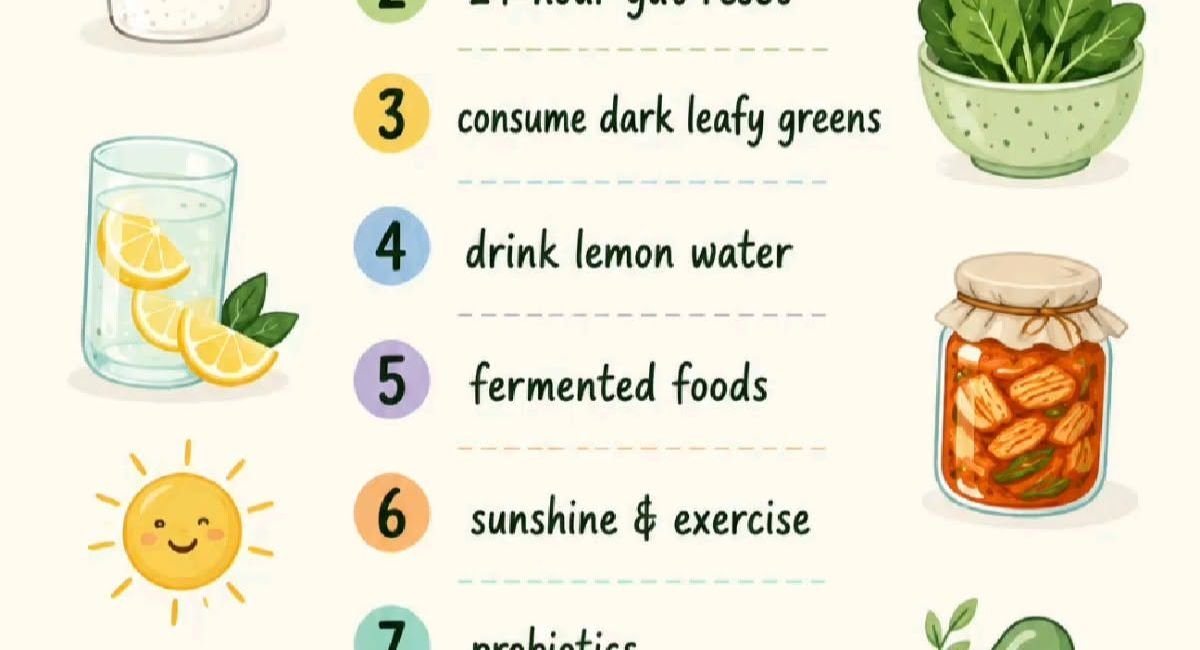
12 Natural Ways to Improve Your Gut Health for Better Digestive
Natural Ways to Improve Your Gut Health
Have you ever finished a meal and felt like your stomach was not happy with you? Maybe you feel bloated, experience gas, or struggle with constipation from time to time. Digestive problems can be uncomfortable, and when they happen regularly, they can start affecting your everyday life.
Table Of Content
- Natural Ways to Improve Your Gut Health
- Why Is Gut Health Important?
- 1. Eat More Fiber-Rich Foods
- 2. Eat a Wider Variety of Plant Foods
- 3. Add Fermented Foods to Your Meals
- 4. Drink Enough Water
- 5. Slow Down While Eating
- 6. Stay Physically Active
- 7. Manage Stress for Better Gut Health
- 8. Get Enough Quality Sleep
- 9. Reduce Highly Processed Foods
- 10. Include Natural Sources of Prebiotic Fiber
- 11. Use Antibiotics Responsibly
- 12. Pay Attention to Your Body
- Simple Daily Habits for a Healthier Gut
- How Long Does It Take to Improve Gut Health?
- When Should You Talk to a Healthcare Professional?
- Final Thoughts
Your gut does much more than simply process the food you eat. Your digestive system helps break down food, absorb nutrients, and remove waste. It is also home to trillions of microorganisms that form what is commonly called the gut microbiome.
The good news is that supporting your gut does not have to involve expensive supplements or extreme diets. Some of the best ways to improve gut health naturally are surprisingly simple.
Eating enough fiber, enjoying a variety of whole foods, drinking plenty of water, staying physically active, getting enough sleep, and managing stress can all become part of a gut-friendly lifestyle.
Let’s look at some practical gut health tips you can start using in your everyday life.
Why Is Gut Health Important?
Your digestive system is constantly working, even when you are not thinking about it.
Inside your intestines live a huge community of bacteria and other microorganisms. The balance of this community can be influenced by your diet, lifestyle, sleep, stress, physical activity, and certain medications.
This is why gut health is about more than simply avoiding stomach aches.
A healthy lifestyle can help support normal digestion and regular bowel habits. However, there is no single diet or routine that works perfectly for everyone.
Instead of searching for a “perfect gut,” focus on simple habits that you can realistically maintain.
1. Eat More Fiber-Rich Foods

Increasing fiber is one of the simplest natural ways to improve gut health.
Fiber is found in foods such as fruits, vegetables, beans, lentils, oats, whole grains, nuts, and seeds. It supports normal bowel movements, and certain types of fiber can also provide nourishment for microorganisms in the gut.
If your current diet is low in fiber, make the change gradually. Suddenly eating a very large amount can cause temporary bloating or gas.
Try adding small amounts throughout the day.
You could put berries or a banana in your breakfast, add vegetables to lunch, or choose whole-grain foods more often.
The goal is not to completely change your diet overnight. It is to make fiber-rich foods a regular part of your meals.
2. Eat a Wider Variety of Plant Foods
When it comes to foods for gut health, variety matters.
Different plant foods provide different types of fiber and natural compounds. Eating a wide range of vegetables, fruits, beans, whole grains, nuts, and seeds can help you get a broader selection of nutrients.
Try not to eat the same few vegetables every week.
Have spinach one day, carrots another, and broccoli later in the week. Mix up your fruit choices as well.
You do not need expensive superfoods to create a healthy diet. Foods that are available at your local grocery store or market can be excellent choices.
A colorful, varied diet is often a much better goal than searching for one “miracle” food.
3. Add Fermented Foods to Your Meals
Fermented foods have been part of traditional diets for generations.
Some fermented foods contain live microorganisms, depending on how they are prepared and stored. Examples include plain yogurt with live cultures, kefir, kimchi, and sauerkraut.
If you already enjoy fermented foods, adding a small serving to your meals can be an easy way to increase variety in your diet.
If they are new to you, start slowly. There is no need to eat large amounts.
Also, check labels when buying packaged products. Some flavored or processed fermented foods can contain considerable amounts of added sugar.
Fermented foods can be part of a balanced diet, but they are not a magic solution for every digestive problem.
4. Drink Enough Water

Sometimes one of the easiest ways to improve digestion naturally is simply to drink enough fluids.
Water supports many normal functions in the body and can help maintain regular bowel movements. It is particularly important if you are increasing your fiber intake.
Keep water close by throughout the day. A reusable bottle can make it easier to remember to drink.
Your individual fluid needs can vary depending on your activity level, climate, diet, and other factors. Someone exercising in hot weather, for example, may need more fluids than someone spending the day indoors.
Rather than focusing too much on one exact number, make regular hydration part of your daily routine.
5. Slow Down While Eating
Your food choices matter, but your eating habits matter too.
If you regularly eat meals in a hurry, you may not chew your food thoroughly or notice when you are comfortably full.
Try slowing things down.
Take smaller bites, chew properly, and give yourself time to enjoy your meal. Putting your fork down between bites can also help.
You do not have to spend an hour eating lunch. Even an extra few minutes can make your meals feel more relaxed.
Eating slowly can also help you become more aware of your body’s hunger and fullness signals.
6. Stay Physically Active

Regular physical activity is another useful part of a healthy lifestyle.
You do not need to spend hours at the gym. Walking, cycling, swimming, dancing, gardening, stretching, and playing sports can all help you stay active.
If you spend most of your day sitting, look for simple opportunities to move.
Take a short walk during a break. Walk around while talking on the phone. Take the stairs when appropriate.
Even a short walk after eating can be an easy addition to your daily routine.
The best exercise is one you can actually stick with. Choose something you enjoy instead of forcing yourself into a workout routine you dislike.
7. Manage Stress for Better Gut Health
Stress can affect more than your mood.
Your brain and digestive system communicate with each other, which is why stressful situations can sometimes be accompanied by changes in appetite, stomach comfort, or bowel habits.
Unfortunately, completely removing stress from life is impossible.
Instead, learn how to manage it.
Take a walk when you feel overwhelmed. Try deep breathing. Read a book, listen to music, exercise, meditate, or spend time with people who make you feel comfortable.
You do not need an elaborate wellness routine.
Even taking ten quiet minutes away from work, social media, and other distractions can give your mind a chance to reset.
8. Get Enough Quality Sleep
If you want to improve gut health naturally, do not focus only on food.
Sleep deserves attention too.
Poor sleep can leave you tired and may make it harder to maintain healthy eating and exercise habits.
Try going to bed and waking up around the same time each day. Create a relaxing routine before bed and make your sleeping environment comfortable.
Most adults generally need around seven to nine hours of sleep each night, although individual needs can vary.
A healthy gut routine should include rest as well as good nutrition.
9. Reduce Highly Processed Foods
You do not need to completely eliminate processed foods.
There is nothing wrong with enjoying your favorite snack or dessert occasionally. The important thing is to consider what makes up most of your diet.
If highly processed foods dominate your meals, try making gradual changes.
Replace some packaged snacks with fruit, nuts, or yogurt. Add vegetables to your lunch. Choose whole grains more often and include beans or lentils in your meals.
Instead of thinking only about what you need to stop eating, think about what nutritious foods you can add.
This makes healthy eating feel less restrictive and more achievable.
10. Include Natural Sources of Prebiotic Fiber
Some types of dietary fiber can provide nourishment for microorganisms in your digestive system. These fibers are commonly called prebiotics.
Natural sources include onions, garlic, asparagus, bananas, oats, beans, lentils, and some whole grains.
You do not necessarily need a special supplement to include prebiotic foods in your diet.
Start with normal foods and pay attention to how your body responds.
Some high-fiber foods can cause bloating or gas in certain people. If that happens repeatedly, reduce the portion rather than forcing yourself to eat more.
11. Use Antibiotics Responsibly
Antibiotics can be very important when they are needed to treat certain bacterial infections. However, they can also affect microorganisms in the digestive tract.
That is why antibiotics should be taken only when appropriate.
Never use leftover antibiotics or take medicine prescribed for someone else.
If your doctor prescribes antibiotics, follow the instructions you are given. If you have concerns about side effects or your digestive health, speak with your doctor or pharmacist.
Never change or stop prescribed medication without professional advice.
12. Pay Attention to Your Body
One of the most useful gut health tips is also one of the simplest: listen to your body.
Everyone’s digestive system is different.
A food that causes no problems for one person may make another person feel bloated or uncomfortable.
Pay attention to patterns. If you regularly feel uncomfortable after certain meals, make a note of what you ate and how you felt afterward.
Keeping a simple food diary for a short time can sometimes help you identify patterns.
However, do not remove large numbers of foods from your diet simply because you saw a recommendation online. If symptoms are persistent, talk with a qualified healthcare professional.
Simple Daily Habits for a Healthier Gut
You do not have to completely change your lifestyle to support better digestion.
Start with a few manageable habits.
Have a fiber-rich breakfast. Drink water throughout the day. Add vegetables to your meals. Take a daily walk. Eat your meals slowly and give yourself enough time to relax.
If you tolerate fermented foods, include a small serving. At night, aim for a consistent bedtime and give yourself time to unwind.
Once these habits become normal, you can build on them.
The goal is consistency, not perfection.
How Long Does It Take to Improve Gut Health?
There is no exact answer because everyone’s body is different.
Some people may notice changes in their digestion after making lifestyle changes, while others may need more time.
Your diet, sleep, stress, activity level, medications, and existing health can all influence your digestive system.
Do not expect a single food or lifestyle change to transform your gut overnight.
Instead, focus on habits that you can maintain for the long term.
When Should You Talk to a Healthcare Professional?
Natural gut health habits can support general well-being, but they should not replace medical care.
Speak with a healthcare professional if you experience persistent or severe abdominal pain, unexplained weight loss, blood in your stool, ongoing diarrhea or constipation, difficulty swallowing, repeated vomiting, or another significant change in your digestive health.
It is always better to investigate ongoing symptoms rather than assuming they are simply caused by your diet.
Final Thoughts
There is no magic food that will suddenly give you perfect gut health.
The most practical approach is to build healthy habits and stick with them.
Eat a variety of fiber-rich foods. Include different plant foods in your meals. Drink enough water, stay active, sleep well, and find healthy ways to manage stress.
If fermented foods suit you, they can also be part of a balanced diet.
Most importantly, do not try to change everything at once.
Choose one habit today. Perhaps add an extra serving of vegetables, drink more water, or take a short walk after dinner.
Once that habit becomes part of your routine, add another.
Over time, these small decisions can become a lifestyle that supports better digestion and overall well-being.
A healthy gut is not about following a perfect diet. It is about giving your body consistent care through everyday choices.





No Comment! Be the first one.